Delta Executor for PC: Windows Setup & Safety Guide

Delta Executor for PC users may have questions about Windows compatibility, file types, installation, and security. This guide explains the basic requirements, how to review an EXE file, common installation issues, and how to uninstall it safely.
Before downloading or installing any file, check its source carefully and never ignore Windows Security warnings. No file-checking method can guarantee that a file is completely safe.
Key Takeaways
Delta Executor for PC searches often involve Windows compatibility, installation methods, file formats, and troubleshooting. However, availability and compatibility can vary depending on the specific build and its source.
Before opening any Windows installer, understand the file type, review its properties, and consider the security risks. No file check alone guarantees that an application is safe or will work correctly.
What Is Delta Executor for PC?
Delta Executor is commonly discussed in connection with running scripts in Roblox.
People searching for Delta Executor for PC generally want to know whether it can run on Windows, which files are involved, and whether an emulator or another compatible environment is required.

The exact features, installation method, and Windows compatibility depend on the particular project or build. A Windows download page or an EXE file name alone does not establish that a working, official Windows version is available.
Is Delta Executor Available for Windows PC?
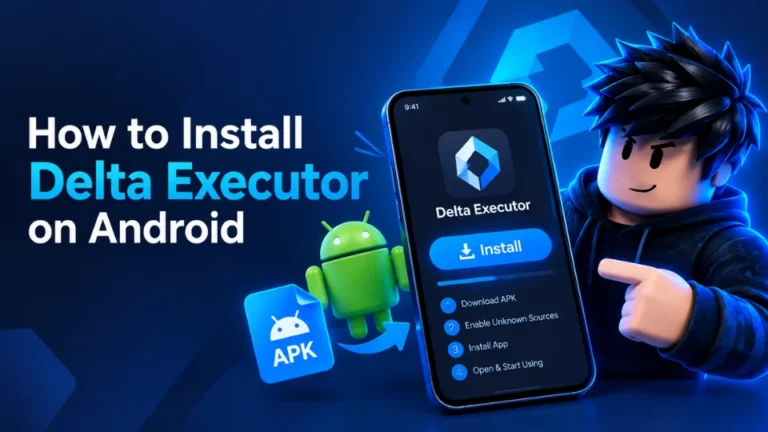
Before downloading, check whether the release is designed for Windows or another platform, as an Android APK is not a native Windows application. Some projects require an Android emulator or compatibility layer, while others claim to offer a native Windows version.
These methods have different requirements, so neither should be assumed to work without reliable documentation for the specific release.
Windows Compatibility Requirements for Delta Executor for PC
For Delta Executor for PC, Windows compatibility depends on the application’s design and its stated system requirements. Check the available documentation before attempting to install a program.
Windows Version
Check whether the application supports your version of Windows, such as Windows 10 or Windows 11. Compatibility with one Windows release does not automatically establish compatibility with another.
Also review whether the software requires a particular system architecture, such as 64-bit Windows. If the publisher does not provide clear requirements, compatibility remains uncertain.
RAM and Storage
Your computer needs enough available memory to run Windows and the application together. If an emulator is involved, it may require additional RAM and storage.
Keep sufficient free disk space for the installer, application files, updates, and temporary files. Do not assume that a small download will always result in a small installed application.
Processor
The processor requirements depend on the application and the environment it uses. An emulator may require more processing resources than a lightweight native application.
Review the documented minimum requirements, if available, and compare them with your computer’s specifications before proceeding.
Internet Connection
An internet connection may be required to download installation files, check for updates, or access online services. A slow or unstable connection can interrupt downloads and cause incomplete files.
If a download fails, check your connection and the available disk space before trying again. Avoid repeatedly downloading files from unfamiliar mirrors.
What File Type Is Used on Windows?
Understanding the file extension helps you identify what kind of file you have downloaded. However, an extension does not prove that the file is genuine or trustworthy.
Understanding EXE Files
An EXE file is a Windows executable that can start a program or an installer. Opening one may run code and make changes to your computer, depending on its permissions and behavior.
Only open an EXE when you understand its source and purpose. A file named DeltaExecutor.exe is not automatically an authentic or functional application simply because its name looks relevant.
EXE vs. ZIP Files
An EXE file can launch an application or installation process. A ZIP file is an archive that stores one or more files together and usually needs to be extracted before its contents can be used.

A ZIP archive may contain an EXE, documentation, or other files. Extracting an archive does not verify its contents, so inspect the extracted files before opening anything.
Why File Extension Matters
Windows may hide known file extensions by default, which can make filenames confusing. A file that appears to have a familiar name may have a different actual extension.
Enable file extensions in File Explorer when necessary, then check the complete filename. Never rely on an icon, filename, or extension alone to determine whether a file is legitimate.
How to Download Delta Executor for PC
When looking for Delta Executor for PC, use the following general Windows download checks. They do not confirm that a particular installer is available, authentic, or suitable for your computer.
Step 1: Identify the Correct Windows Version
Check whether the download is specifically intended for Windows and whether it supports your operating system. Do not assume that a file intended for Android will install directly on Windows.
Step 2: Review the Download Source
Look for clear publisher information, documentation, release notes, and a consistent download history. Be cautious of pages with misleading download buttons, unexpected redirects, or instructions to disable security protections.
A website presenting itself as official is not proof of authenticity. If the publisher cannot be established, treat the file’s origin as uncertain.
Step 3: Check the File Name and Version
Compare the filename and version with the information provided by the publisher, if available. Version details can help you identify outdated or mismatched downloads, but they do not prove that a file is genuine.
Step 4: Review File Size
Check whether the displayed file size matches any information supplied with the release. A major difference may indicate an incomplete download or a different package.
File size alone cannot establish authenticity. If no reliable reference size is available, do not treat the displayed size as confirmation.
Step 5: Download the Installer
If you decide to download a file, save it to a location you can find easily, such as your Downloads folder. Wait for the download to finish and check for browser warnings.
Do not proceed if the download unexpectedly changes to a different file type or requests unusual permissions without a clear explanation.
How to Install Delta Executor for PC on Windows
These are general Windows installation steps for readers researching Delta Executor for PC, not confirmation that a particular release has a valid Windows installation process.
Step 1: Locate the Downloaded Installer
Open File Explorer and navigate to the folder where you saved the download. Check the full filename and extension before opening it.
If the file is a ZIP archive, inspect its contents after extraction rather than assuming that every included file is required.
Step 2: Check the File Before Opening
Review the file’s source, properties, available publisher information, and security scan results. If Windows displays a warning, read it carefully instead of dismissing it automatically.
If the file’s origin or purpose remains unclear, the safer choice is not to run it.
Step 3: Run the Installer
Only proceed if you have sufficient reason to trust the application and understand what it will do. Windows may request administrator permission for certain operations.
Do not grant elevated permissions merely because an installer requests them. An unexpected administrator prompt is a reason to pause and investigate.
Step 4: Follow the Installation Instructions
If the application has a documented installation process, follow the instructions provided for that specific release. Avoid unrelated downloads, bundled programs, or additional tools that are not clearly explained.
If the instructions tell you to disable antivirus software or bypass security protections, do not follow that advice automatically.
Step 5: Complete the Setup
Wait for the installation process to finish and review any messages displayed by Windows. If an error appears, record its wording rather than repeatedly restarting the installer.
Do not assume that an installation has succeeded simply because a progress bar reaches the end.
Step 6: Launch the Application
If installation completes, check the application name, publisher information, and any displayed error messages. If the program fails to start or requests unexpected permissions, stop and investigate.
Successful installation does not establish that the application is authentic, compatible, or free from security risks.
How to Check an EXE Before Installing
Before installing Delta Executor for PC, remember that no single check can guarantee an executable is safe.
Several checks can help identify warning signs, but unknown or suspicious files should not be run simply because they pass one test.
Check the Digital Signature
Right-click the EXE file, select Properties, and look for a Digital Signatures tab. If a signature is present, inspect the signer and its details.
A valid signature can help establish who signed the file and whether it has changed since signing. However, a signature alone does not guarantee that the software is harmless.
Some files may not have a signature, and the absence of one is not proof of malware.
Check the File Properties
Open the file’s Properties window and review its name, file type, size, and other available details. Check whether the information matches the expected release.
The Details tab may contain publisher or version information, but these fields can be incomplete or misleading. Treat them as clues rather than proof of authenticity.
Check the SHA-256 Hash
A SHA-256 hash is a digital fingerprint calculated from a file’s contents. If a publisher provides a trusted reference hash for the exact release, you can compare it with the hash of your downloaded file.
To calculate a hash using Windows PowerShell, open PowerShell and run the following command, replacing the example path with your file’s actual path:
Get-FileHash “C:\Users\YourName\Downloads\example.exe” -Algorithm SHA256
Compare the resulting hash with a reference value obtained independently from a trustworthy source. A matching hash shows that the files have the same contents, but it does not prove that those contents are safe.

If no reliable reference hash exists, you cannot use this comparison to confirm the file’s authenticity.
Scan the File
Use Windows Security or another reputable security tool to scan the downloaded file. A detection should be taken seriously, particularly when the file comes from an unfamiliar source.
A clean scan is not a guarantee that a file contains no harmful code. If you cannot establish the file’s origin or purpose, avoid running it.
Review Windows Security Alerts
Windows may block or warn about an application because of its reputation, signature, behavior, or other security indicators. Read the alert and investigate the publisher and file source before deciding what to do.
Do not disable Microsoft Defender or other security protections simply to install an unknown application. If you cannot resolve the warning through reliable documentation, do not proceed.
Common Problems for Delta Executor PC Installation
If Delta Executor for PC does not install or open, possible causes include an incomplete download, an unsupported operating system, missing dependencies, or security restrictions. The exact cause depends on the error message and the application.

Installation Failed
Check whether the download completed and whether sufficient disk space is available. If the file is incomplete or corrupted, remove it and obtain a fresh copy only from a source you have reason to trust.
Do not repeatedly run an installer that produces the same unexplained error.
Windows Blocked the Application
Read the complete Windows Security or SmartScreen message. Check the file’s source, signature, and scan results before deciding whether to continue.
If the publisher cannot be identified or the warning remains unexplained, avoid bypassing the block.
Application Will Not Open
Check whether the application supports your Windows version and whether the installation completed properly. Review any error message and consult the relevant documentation.
If the program requests unusual permissions or behaves unexpectedly, close it and investigate rather than trying random fixes.
Compatibility Error
A compatibility error may indicate that the application does not support your Windows version or system architecture. Check the documented requirements and release notes.
Changing compatibility settings cannot make an unsupported application work in every case.
How to Update Delta Executor for PC on Windows
Before updating Delta Executor for PC, review the release information, as updates may change requirements, fix bugs, or cause compatibility issues. Make sure the update matches your current version.
Avoid update prompts from unknown websites, pop-ups, or unrelated apps. If the publisher and release are unverified, don’t trust files labelled “latest version,” as updates may not fix issues caused by unsupported software or an uncertain source.
How to Uninstall Delta Executor for PC
To remove Delta Executor for PC if it has been installed, open Settings → Apps → Installed apps in Windows. Locate the application, select the available uninstall option, and follow the displayed instructions.
If the application does not appear in the list, check its documentation for a legitimate removal method. Do not delete unfamiliar system files or registry entries just to remove an application.
After uninstalling, review the Downloads folder and remove installation files you no longer need. If you suspect the application behaved maliciously, run a security scan and review Windows Security for additional guidance.
Delta Executor for PC Safety and Account Risks
Using Delta Executor for PC or other third-party executables may expose your computer to malware, data theft, or unauthorized changes. Tools running unauthorized Roblox scripts may also risk your account or violate Roblox’s rules, depending on the file’s source and behavior.
Don’t assume an executor offers anti-ban protection or prevents account restrictions. Avoid entering sensitive information into unfamiliar tools, and be cautious of files that request unnecessary permissions or ask you to disable security features.
FAQs: Frequently Asked Questions
Conclusion
Before using Delta Executor for PC, understand the differences between native Windows apps, Android APKs, and emulator-based methods. Check Windows requirements, file extensions, publisher details, and security evidence before opening an installer.
Installation instructions and compatibility claims must match the specific release. If the file’s source, purpose, or security cannot be verified, avoid running it, as no download label, hash check, digital signature, or antivirus scan alone guarantees safety or functionality.

Sharon Johnston
Sharon Johnston is a writer and researcher covering Delta Executor, Roblox updates, features, compatibility, and platform-related information with a focus on clear, helpful content.